Cardiff Arcades Project

This slideshow requires JavaScript.

These wonderful pictures are from the new Cardiff Arcades Project by Amy Davies. I particularly love the wide-angle architectural shots.

The blog has also inadvertently kicked off a bit of an investigation into the claims that John Lewis is enjoying a 20-year rent free grace period. According to Amy, their PR representatives have denied this and are issuing a press release tomorrow. If there’s any truth to the rumour at all, it will be big news.

QRobots: A QR code alternative with personality

QR Codes are a great idea but they are big and ugly. You can customise them to a degree, but they still lack personality. For example, here are some I made to print as Moo stickers:

There is also the Microsoft tag, but that looks even worse.

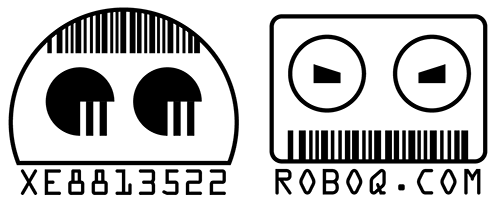
I wonder if it would be possible to create another type of code that works in the same way, but instead of generating a random checkerboard pattern, it created some kind of face. I’ve quickly drawn up two examples of what these could look like (at the top), but I imagine a much more detailed/abstract look would be required to accommodate the amount of information they would need to contain.

Continue reading

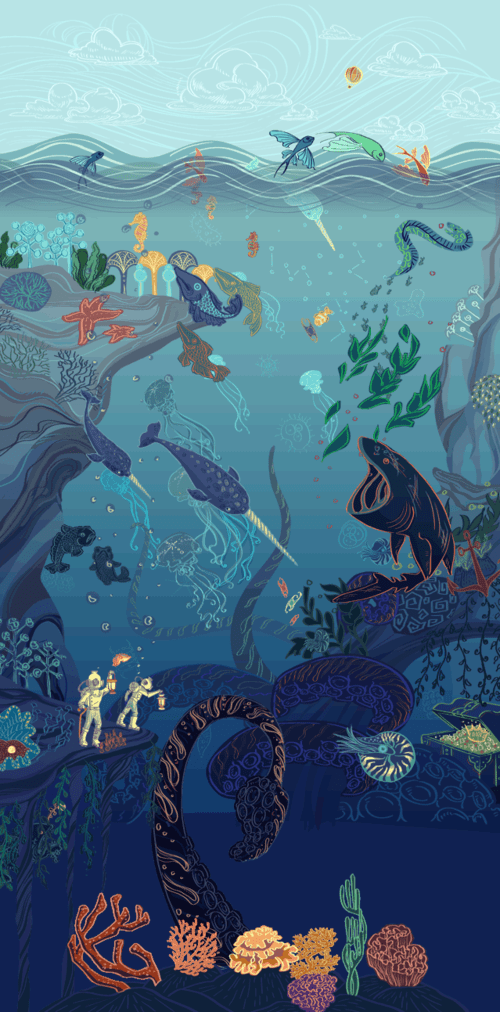
Google’s Jules Verne doodle: The whole picture

The novelty value of the Google Doodles is starting to wear thin. What used to be an amusing quirk of the company has now become a regular occurrence. It’s interesting to look at the kind of topics they choose to give the doodle treatment too: Nothing overtly religious (not even Christmas) and nothing likely to be at all controversial, but it’s fine to promote Scooby Doo or run a weeks worth of Sesame Street doodles.

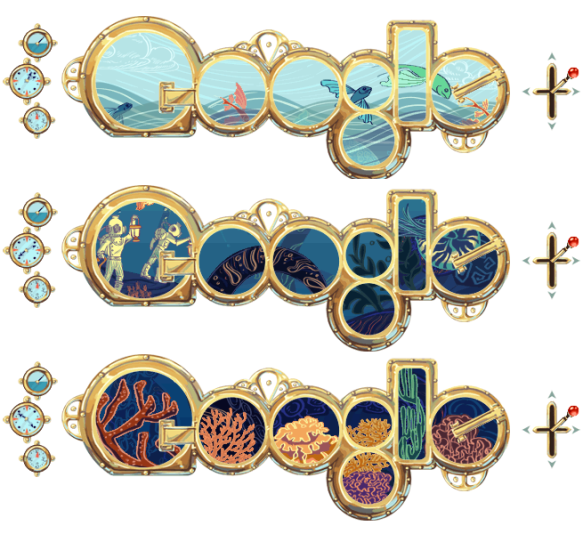
Still, they do some good stuff, and today’s interactive 20,000 Leagues themed Jules Verne doodle is particularly nice. It’s also fantastic that they use web native technologies, and don’t just slap up some Flash movie. The geekier doodles are brilliant too, especially the Pac-Man one, if only because of the chaos it caused.

The above picture is not entirely accurate because I didn’t edit too much to account for the parallax effect. And here is the image sprite that makes up the frame:

Continue reading

Darren Aronofsky’s ‘Noah’

Darren Aronofsky’s ‘Noah’

When Darren Aronofsky was 13-years-old, he won a United Nations poetry competition at his Manhattan Beach, Brooklyn school for a poem about the end of the world as seen through the eyes of Noah. And so started Aronofsky’s obsession with the biblical figure. In September 2008 we talked to Aronofsky about his idea for a film based on Noah:

“It’s the end of the world and it’s the second most famous ship after the Titanic. So I’m not sure why any studio won’t want to make it,” said Aronofsky. “I think it’s really timely because it’s about environmental apocalypse which is the biggest theme, for me, right now for what’s going on on this planet. So I think it’s got these big, big themes that connect with us. Noah was the first environmentalist. He’s a really interesting character. Hopefully they’ll let me make it.”

Aronofsky has later revealed that they have a script and even a “big name” actor attached to the project, but that isn’t enough to get the studios interested.

First Look: Darren Aronofsky’s ‘Noah’ – via slashfilm.com

Sounds like a Kickstarter project to me! I wonder if that model could be scaled up to support $100million+ feature film budgets? Then we’d finally be able to see if people really do just want to see mindless action movies and romantic comedies…

NoteSlate

This slideshow requires JavaScript.

This looks great. Sadly, judging by the roadmap it doesn’t look like the NoteSlate will be really useful until version 2 (which adds handwriting OCR), so I hope the device can survive until then. An iPad type tablet may be a lot more fun, but I can see a £50 tablet like this being incredibly useful.

When it’s produced, supposedly by June, you’ll be able to select from the traditional white background and black foreground or go with a black background with white. Other colors, including green, blue, or red text, or a “4 colour edition” that does all of them at once, are due sometime down the road. The tablet works with touch or pen input, will offer 180 hours of battery life, and is to be fully open-source, with the initial software release supporting simple drawing, storing of notes, and MP3 playback. Version 1.5 will add PDF and text viewing, while version 2.0 will be rocking OCR handwriting recognition. The best news? It’s said to be just $99, though surely the multi-color edition will cost more. Right now it exists only as renders but with, a release mere months away and a decidedly attractive price point, we’re intrigued. Skeptical, but intrigued.

(emphasis mine) via $99 concept NoteSlate tablet does electronic ink in color, but only one at a time – engadget.com

Continue reading

Why are…

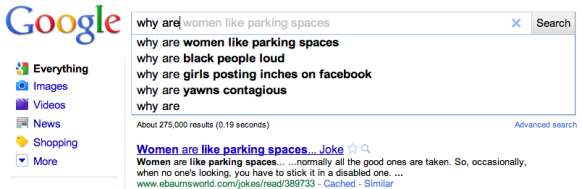
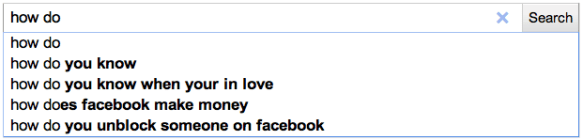
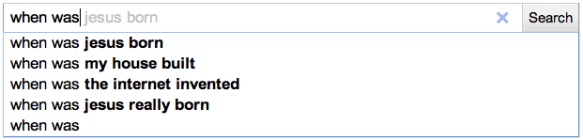
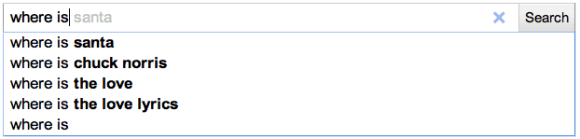
Google have become the giant they are by giving people what they want. They’re now so good at this they can actually predict what people are most likely to want. This has given them a lead in areas you wouldn’t imagine, like spelling correction or translation.

I wonder if this approach will have negative consequences down the road though. Google isn’t suggesting the best results, it’s suggesting the most popular.

I don’t think we really need this kind of help.

Continue reading

Adventures in WordPress theming

I’ve been a bit quiet on this blog and Twitter for a week or so now because I’ve been concentrating on a few personal projects:

A WordPress theme for hyperlocal bloggers

This one is just a Photoshop mock (the provisional name ‘The Local’ is going to have to be changed as I since found another theme with that name), but I’m quite pleased with the look and feel of it all. I wouldn’t usually do a mockup like this, but as I’m going to be learning WordPress theme creation from scratch, I didn’t want to have to be worrying about the design at the same time.

About halfway through creating this I realised it looked very BBC-ish. I’ll probably just try to give it a different default colour scheme to combat this.

The design has a lot of space for different widgets and I plan to give the nameplate area a lot of configuration options so no two of these blogs should look alike. 

One feature I quite like, but you can’t really see in this mock, is the image copyright ID icon. In the bottom right corner of the main cathedral pic, there’s a CC licence symbol. I imagine that when you hover over this, a full credit will pop up over the picture, with link to the source, etc. It seems like a neat solution to me, and not one I’ve seen elsewhere.

I’ve stalled work on this for the time being as I wanted to get my second project up and running first…

Continue reading

A model for local leaks: localeaks.com

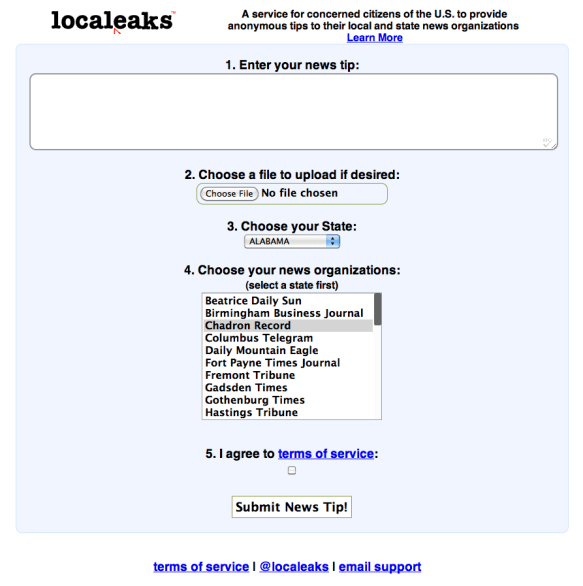
A while ago I was thinking how a every region should have a WikiLeaks style service so people could leak information about their local councils and government. Localeaks.com seem to have a good system set up to do just this.

localeaks.com

Using Localeaks, you can send an anonymous tip, including a file, to over 1400 newspapers in the U.S. through one online form. Choose your state. Choose the newspaper. Enter your information and submit your anonymous tip.

Each drop-box consists of a secure web connection and a form that encrypts both files and the text submitted (then destroys the originals) as well as removes identifying metadata from documents. The system also makes every effort to leave no traceable remnants from the transaction, such as identifiable session cookies on the client side or logging of any IP addresses on the server side.

via Localeaks: A Drop-Box for Anonymous Tips to 1400 U.S. Newspapers – readwriteweb.com

Link

This is handy. If you go to google.com/ads/preferences you can find out what Google thinks you’re interested in.

It seems to know mw pretty well, though I’m not sure why it thinks I care about Java. I’m not much interested in physics or academic conferences and papers either, but I have spent a bit of time reading through some recently.

You can remove categories you are not interested in, ad some new ones or opt out of the whole deal from this page.

Since you’ve read this, you may also find your Google account settings and your dashboard interesting or useful. The web history can be fun to trawl through too.

Continue reading

Facebook’s Registration Tool increases sign-ups by 300%

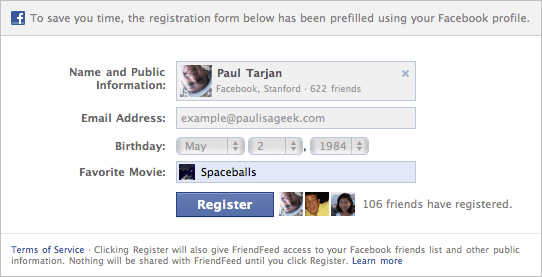
I still refuse to use Facebook, a decision that is validated every time company hits the news, but I have to admit, if I were to build a site that required registration I would be sorely tempted to use this registration tool:

Facebook has launched a new registration tool that enables websites to offer quick and easy social options for users to sign-up.

This is a terrific alternative to using Facebook Login, (formerly known as Facebook Connect) especially when 1) You would like to provide an option for those users who don’t have Facebook account, 2) Your site requires additional information not available on Facebook, or 3) You want the flexibility of HTML, molding the login to your site in any way you see fit.

It’s ideal to minimize any sort of inconvenience for the user on your website, and traditionally, a registration page has been a big turn off for users. Often times they don’t see the value. With Facebook’s registration tool, you make it easy for people to sign up and bring their friends with them, and it’s proven that people are more likely to follow through with the sign up process, will be active on sites longer, share more content, and return more often. For example, FriendFeed beta tested the tool and their sign ups by users with Facebook increased by 300%.

(via Facebook’s Registration Tool – marketaire.com)
Continue reading

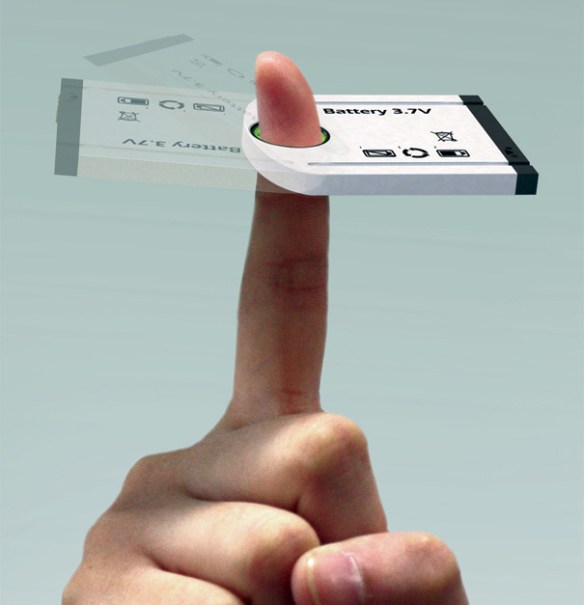
Extend battery life with finger power

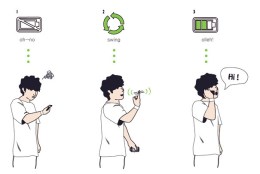
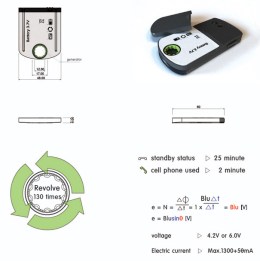
[…] a helpful solution for a tricky situation. The situation being: you running out of juice on your mobile phone. So what do you do? Remove the battery from the back of the phone; give it a few good turns around your index finger and its gathered enough power to last you a conversation or a safe trip to your charger and electric point.

(via Cheers To Finger Power! – yankodesign.com)

Clever.

Link

The Oatmeal is one of the top webcomics out there. Matthew talks about creating the site, his ideas and how he drove traffic to it. While sharing his favorite comic strips, he offers up some advice on how to create successful viral marketing campaigns.

(via How to Get 5 Million People to Read Your Website by Matthew Inman – youtube.com)

I think this mostly serves as an advert for The Oatmeal, which is very much against the spirit of Ignite. Still, there are some good tips in here.

(via @asittingduck)

Five emotions invented by the Internet

Yes, yes, yes, yes and yes. In fact, I’ve been experiencing #3 for about the last hour:

The state of being ‘installed’ at a computer or laptop for an extended period of time without purpose, characterized by a blurry, formless anxiety undercut with something hard like desperation. During this time the individual will have several windows open, generally several browser ‘tabs,’ a Microsoft Word document in some state of incompletion, the individual’s own Facebook page as well as that of another randomly-selected individual who may or may not be on the ‘friends’ list, 2-5 Gchat conversations that are no longer immediately active, possibly iTunes and a ‘client’ for Twitter. The individual will switch between the open applications/tabs in a fashion that appears organized but is functionally aimless, will return to reading some kind of ‘blog post’ in one browser tab and become distracted at the third paragraph for the third time before switching to the Gmail inbox and refreshing it again.

The behavior equates to mindlessly refreshing and ‘lozenging’ the same sources of information repeatedly. While performing this behavior the individual feels a sense of numb depersonalization, being calmly and pragmatically aware that they have no identifiable need to be at the computer nor are they gleaning any practical use from it at that moment, and the individual may feel vaguely uncomfortable or ashamed about this awareness in concert with the fact that they continue to perform the idle ‘refreshing’ behavior. They may feel increasingly anxious and needful, similar to the sensation of having an itch that needs scratching or a thirst that needs quenching, all while feeling as though they are calm or slightly bored.

(via Five Emotions Invented By The Internet – thoughtcatalog.com)

Though they’re not really new emotions, just new situations that stir up unfamiliar combinations of emotion. The other experiences are:

  • A vague and gnawing pang of anxiety centered around an IM window that has lulled.
  • A sudden and irrational rage in response to reading an ‘@-reply’ on Twitter.
  • The car collision of appetite and discomfort one feels simultaneously when using the internet to seek and consume images or information that may be considered unseemly or inappropriate. 
  • The sense of fatigue and disconnect one experiences after emitting a massive stream of content only to hit some kind of ‘wall’ and forget and/or abandon the entire thing. 

Why you should use the location field in Twitter

I have two good reasons why you should consider using the location field for its intended purpose:

  1. You’re not being as clever as you think (see below).
  2. One of the best uses of Twitter is finding out what is happening locally.

Personally, I will almost always follow someone local to me. If you’re a postman in Hull, then who cares, but if you might be my postman, then you could be really interesting to follow.

You don’t have to type out your whole address or anything. City or county is close enough to be handy.

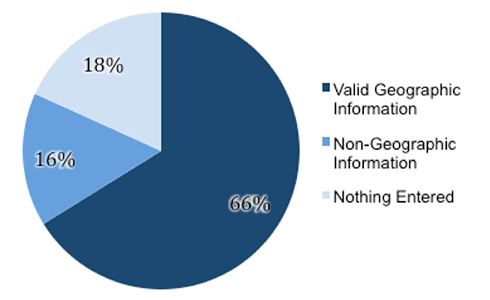
An analysis of the non-geographic information entered into the location field

via Augmented Social Cognition Research Blog from PARC: “Location” Field in Twitter User Profiles (and an interesting fact about Justin Bieber) – asc-parc.blogspot.com

Continue reading

Proof that paywalls don’t always have to drive readers away

Journalism Online says that pageviews fell between 0% and 20% and unique visits fell between just 0% and 7% (neither figure a huge disaster when you introduce a paywall), while advertising revenue didn’t fall at all for any of the titles.

It’s worth noting that the newspapers concerned didn’t block all content completely from non-paying visitors. Instead, only readers who view more than a set number of pages per month, usually between 5 and 20, have to pay.

The policy is stark contrast from the most high-profile recent paywall launches – those by Rupert Murdoch in the UK for his Times, Sunday Times and News of the World titles. In those cases, all content is completely blocked until you stump up some cash (or at least sign up for a free trial). We’re still to hear exactly how successful this policy has been. Publisher News International released some vague figures that weren’t very enlightening, while the unofficial word is that the policy didn’t start out well.

(via Proof that paywalls don’t always have to drive readers away – thenextweb.com)

Perhaps a paywall like this could work for community sites too.

If you set this meter conservatively, which we urge people to do, it’s a nonevent for 85, 90, 95 percent of the people who come to your Web site,” Mr. Brill said.

(via Journalism Online Examines Pay Model – nytimes.com)

What a brilliant name!

The only relationship Facebook really cares about: Your data and those who will pay them for it.

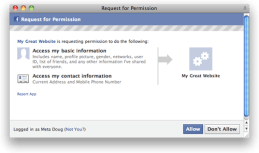
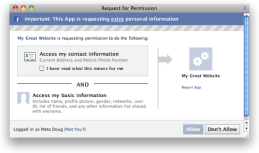
Facebook continues to use UX design for mild acts of evil. This is their latest ploy to take your information that was once private and expose it to the world

Yesterday, something I said on Twitter seems to have resonated. “It takes a court order to get your personal data from Twitter, but just anyone can get it from Facebook.”

Many people skim read (at best) or don’t read at all (at worst) messages about changes to terms of service like this. They just click the “I accept” or “Allow” button, trusting that an application or service has their best interests at heart. To make sure its users fully understand the implications of clicking “Allow”, Facebook should disable that button until a user confirms that they have read and understand what all this really means for them, their children and their privacy.

(via Hardly your grandmother’s Facebook New User Object fields – stuffandnonsense.co.uk)

Continue reading