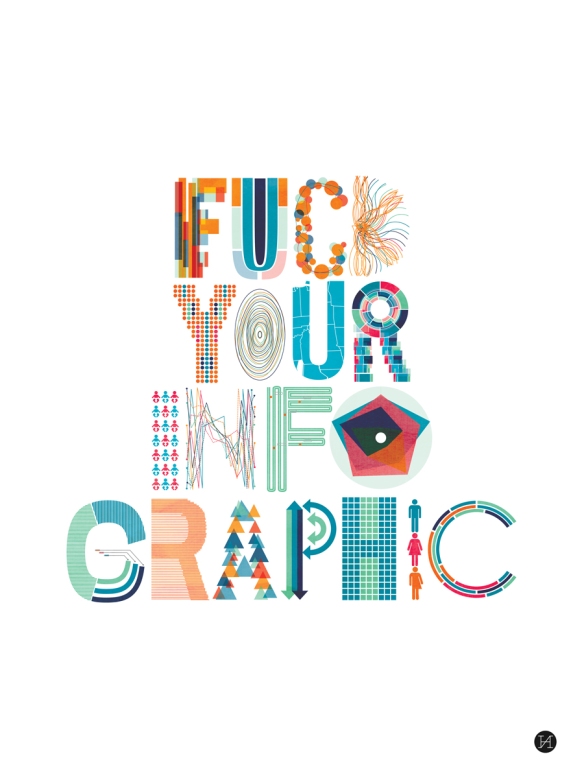
Link

Watermarks are horrible. This is very smart.

How do you change perception of a billion dollar company? Not with advertising but by changing the very interface that made them less than popular in the first place. By changing their product.

A campaign by RG/A.

QArt codes

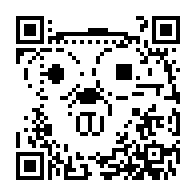
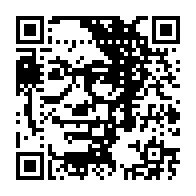
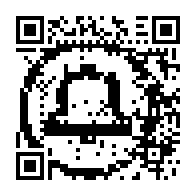
By now everybody knows that it is possible to slap a logo in the middle of a QR code and — provided enough redundant data remains — the result will still be readable.

It seems it is also possible to engineer the encoded values to create a picture across the entire QR code. This technique not only produces a highly distinctive code image, it also produces completely legitimate codes.

Russ Cox calls these QArt codes, and has developed a web tool for producing them: QArt Coder. All the source code is hosted at code.google.com/p/rsc/source/browse/qr.

List of rhetological fallacies

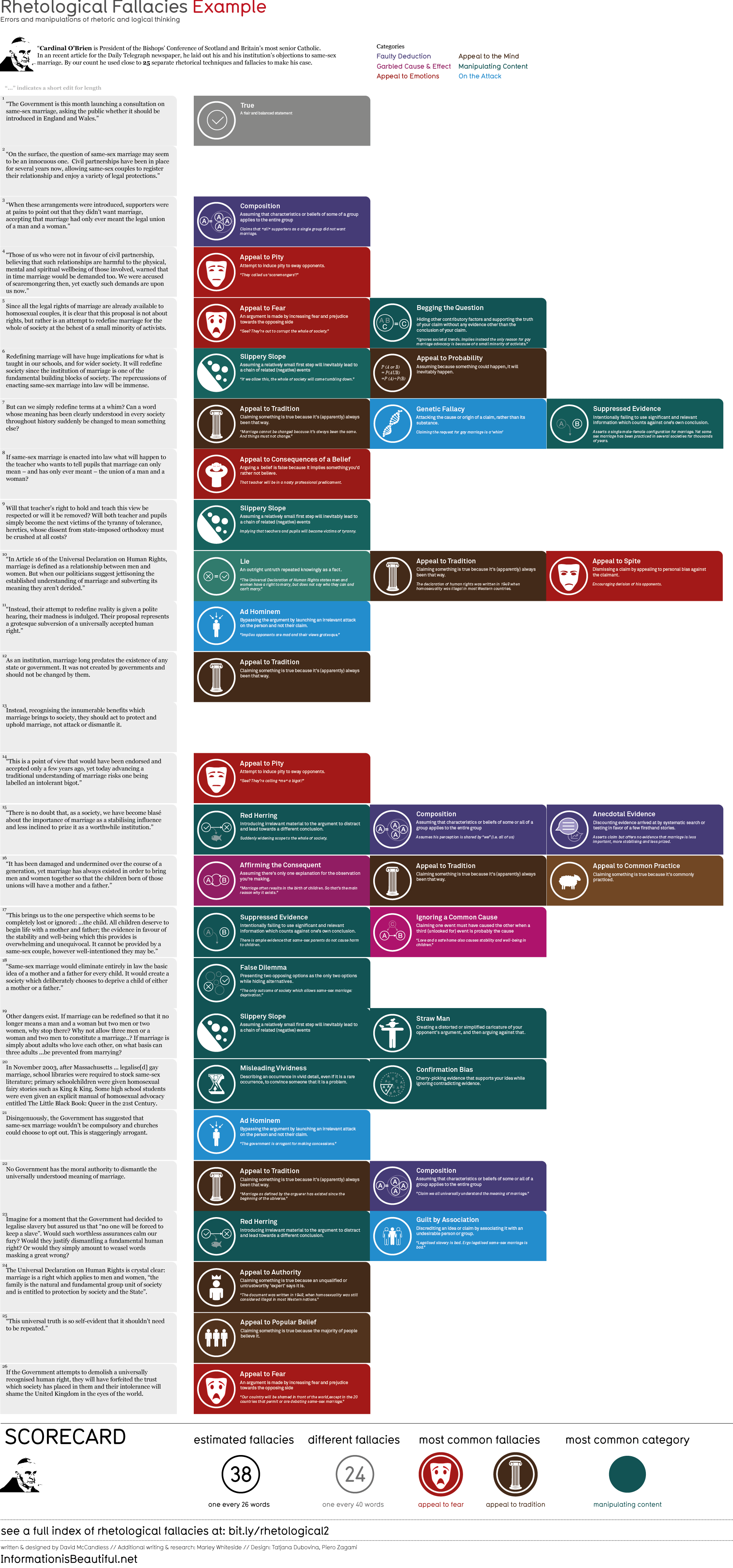
Appeal to fear icon Here’s a great list for your debating toolkit. Some of the examples given could use refinement, but it’s still a handy reference.

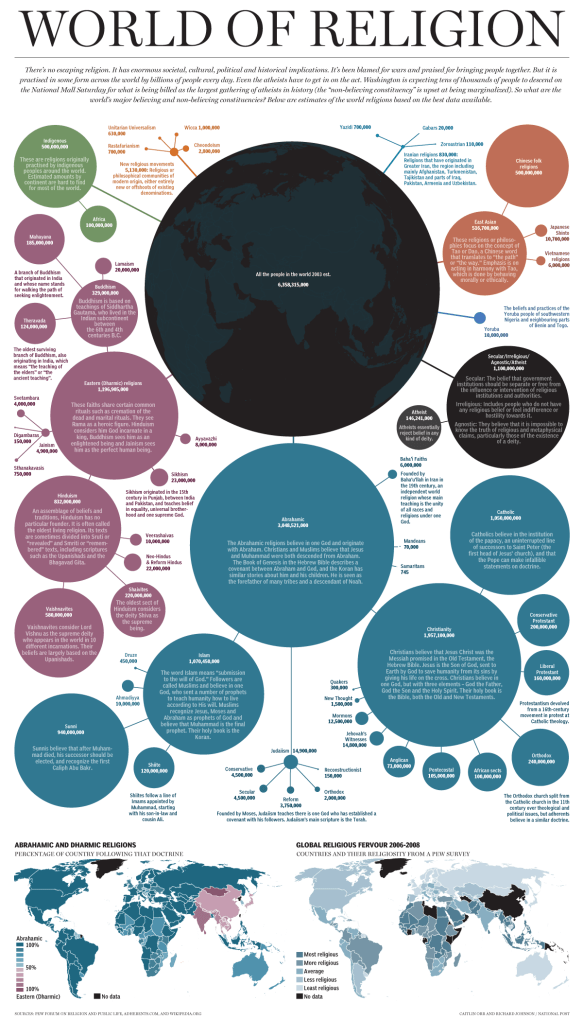
I’ve pinched these definitions from the research doc for an infographic on Information is Beautiful. Even more interesting is the identification of these fallacies employed in Cardinal Keith O’Briens disgusting ‘tyranny of tolerance’ Telegraph article. Continue reading

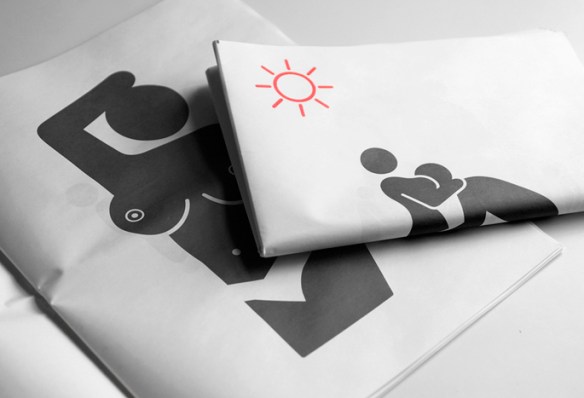
Newspaper pictograms

Newspaper pictograms

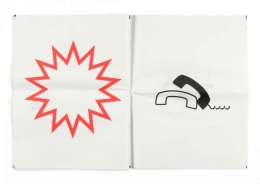
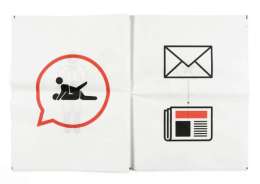
London-based graphic designer Stephen McCarthy reimagined what newspapers would look like if they were purely in pictographic forms.

In his project ‘Pictograms: The Newspaper’, McCarthy reinterpreted a whole newspaper (namely, ‘The Sun’) in pictographic content.

Designer Reimagines News As Pictograms, So Don’t ‘Read’ All About It – designtaxi.com

Link

Known locally as “Point Bob” or “The Point”, Point Roberts is a geopolitical oddity, only being a part of the United States because it lies south of the 49th parallel, which constitutes the Canada-U.S. border in that area.

Point Roberts USGS map

Continue reading

The Transparency Grenade

A weapon of greater transparency for greater corporate and governmental transparency.
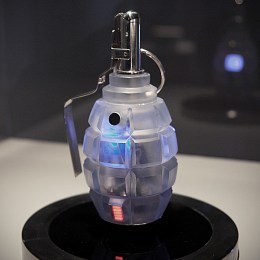
The Transparency Grenade Created by Julian Oliver for the Studio Weise7 exhibition in Berlin, this conceptual gadget for the information revolution is based on a Soviet F1 Hand Grenade.

Presented in the form of a Soviet F1 Hand Grenade, the Transparency Grenade is an iconic cure for these frustrations, making the process of leaking information from closed meetings as easy as pulling a pin.

Equipped with a tiny computer, microphone and powerful wireless antenna, the Transparency Grenade captures network traffic and audio at the site and securely and anonymously streams it to a dedicated server where it is mined for information. Email fragments, HTML pages, images and voice extracted from this data are then presented on an online, public map, shown at the location of the detonation.

Continue reading

Vincent Van Gogh’s “Starry Night” as an interactive animation

Made with openFrameworks and 80,000 particles.

Petros Vrellis has created an interactive visualisation and synthesizer that animates Vincent Van Goghs “Starry Night”, using openframeworks to create a simple and elegant interaction. A fluid simulation gently creates a flowing fabric from Van Goghs impressionist portrait of the Milky Way and night sky over Saint-Rémy in France using the thick paint daubs as the particles within the fluid.

(via Vincent Van Gogh’s Starry Night Interactive by Petros Vrellis [openFrameworks] – creativeapplications.net)

Network

Network by Michael Rigley

Information technology has become a ubiquitous presence. By visualizing the processes that underlie our interactions with this technology we can trace what happens to the information we feed into the network.