
QRobots: A QR code alternative with personality

QR Codes are a great idea but they are big and ugly. You can customise them to a degree, but they still lack personality. For example, here are some I made to print as Moo stickers:

There is also the Microsoft tag, but that looks even worse.

I wonder if it would be possible to create another type of code that works in the same way, but instead of generating a random checkerboard pattern, it created some kind of face. I’ve quickly drawn up two examples of what these could look like (at the top), but I imagine a much more detailed/abstract look would be required to accommodate the amount of information they would need to contain.
Continue reading

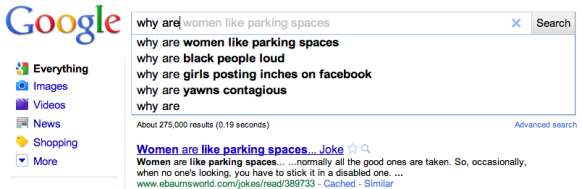
Why are…

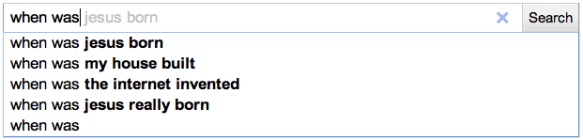
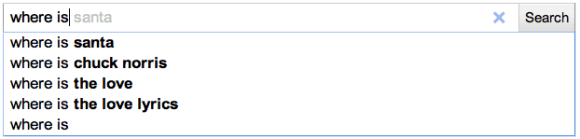
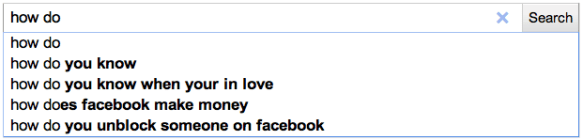
Google have become the giant they are by giving people what they want. They’re now so good at this they can actually predict what people are most likely to want. This has given them a lead in areas you wouldn’t imagine, like spelling correction or translation.

I wonder if this approach will have negative consequences down the road though. Google isn’t suggesting the best results, it’s suggesting the most popular.

I don’t think we really need this kind of help.

Continue reading

A model for local leaks: localeaks.com

A while ago I was thinking how a every region should have a WikiLeaks style service so people could leak information about their local councils and government. Localeaks.com seem to have a good system set up to do just this.

localeaks.com

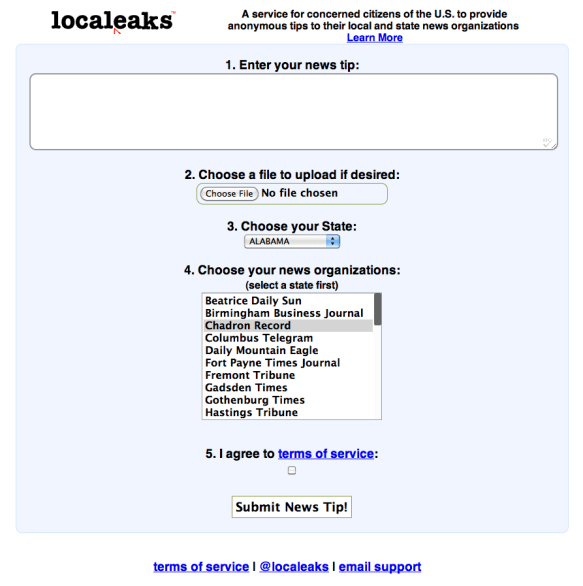
Using Localeaks, you can send an anonymous tip, including a file, to over 1400 newspapers in the U.S. through one online form. Choose your state. Choose the newspaper. Enter your information and submit your anonymous tip.

Each drop-box consists of a secure web connection and a form that encrypts both files and the text submitted (then destroys the originals) as well as removes identifying metadata from documents. The system also makes every effort to leave no traceable remnants from the transaction, such as identifiable session cookies on the client side or logging of any IP addresses on the server side.

via Localeaks: A Drop-Box for Anonymous Tips to 1400 U.S. Newspapers – readwriteweb.com

Link

This is handy. If you go to google.com/ads/preferences you can find out what Google thinks you’re interested in.

It seems to know mw pretty well, though I’m not sure why it thinks I care about Java. I’m not much interested in physics or academic conferences and papers either, but I have spent a bit of time reading through some recently.

You can remove categories you are not interested in, ad some new ones or opt out of the whole deal from this page.

Since you’ve read this, you may also find your Google account settings and your dashboard interesting or useful. The web history can be fun to trawl through too.

Continue reading

Link

The Oatmeal is one of the top webcomics out there. Matthew talks about creating the site, his ideas and how he drove traffic to it. While sharing his favorite comic strips, he offers up some advice on how to create successful viral marketing campaigns.

(via How to Get 5 Million People to Read Your Website by Matthew Inman – youtube.com)

I think this mostly serves as an advert for The Oatmeal, which is very much against the spirit of Ignite. Still, there are some good tips in here.

(via @asittingduck)

Natural Born Clickers: 50% drop in ad clickers

Heavy, Moderate, Light Display Ad Clicker Analysis
March 2009 vs. July 2007
Total U.S. – Home/Work/University Locations
Source: comScore
  Share of All Internet Users Share of Click-Throughs
Jul-07 Mar-09 Jul-07 Mar-09
Total Clickers 32% 16% 100% 100%
Heavy Clickers 6% 4% 50% 67%
Moderate Clickers 10% 4% 30% 18%
Light Clickers 16% 8% 20% 15%
Non-Clickers 68% 84% 0% 0%

[…]

“A click means nothing, earns no revenue and creates no brand equity. Your online advertising has some goal – and it’s certainly not to generate clicks,” said Starcom USA SVP/Director, Research & Analytics John Lowell. “You want people to visit your website, seek more information, purchase a product, become a lead, keep your brand top of mind, learn something new, feel differently – the list goes on. Regardless of whether the consumer clicked on an ad or not, the key is to determine how that ad unit influenced them to think, feel or do something they wouldn’t have done otherwise.”

(via comscore.com)

According to this, 8% of users are doing 85% of the clicking. Given that most email in circulation is spam, these few gullible clicker people have ruined the internet for everyone else…

Link

Reddit has an interesting ask me anything thread running at the moment: I run ThatHigh.com and it pays my rent in San Francisco. AMA. Someone asked how the owner built up traffic and established the advertising, prompting a candid reply…

How to build a social entertainment website:

  1. Build site
  2. fake lots of user activity
  3. steal a tiny bit of content from all around the internet
  4. reddit ads ($20)
  5. stumbleupon ads ($5)
  6. put easily shareable links on each story side note: I put facebook “like” buttons on each story when they unveiled their opengraph stuff and facebook referrers skyrocketed, so that was awesome.

For advertisers, I literally email them out of the blue. I had a seed seller in the UK for awhile that didn’t pan out, so he quit. I’ve had lots of humor sites advertise, some hydroponics stuff, and while prop 19 was under the media’s eye, adsense was giving me TONS of high CPC ads. I made $3k during that time period in one month. It was nice.

I use Google Doubleclick for Publishers to manage ads, I use freshbooks (the free plan) to charge advertisers with my paypal and google checkout accounts. One time someone wired me money from the UK.

Continue reading

Google vs. the content farms

Throughout my investigation I had nagging doubts that we were seeing serious cracks in the algorithmic search foundations of the house that Google built. But I was afraid to write an article about it for fear I’d be claimed an incompetent kook. I wasn’t comfortable sharing that opinion widely, because we might be doing something obviously wrong. Which we tend to do frequently and often. Gravity can’t be wrong. We’re just clumsy … right?

I can’t help noticing that we’re not the only site to have serious problems with Google search results in the last few months. In fact, the drum beat of deteriorating Google search quality has been practically deafening of late:

Anecdotally, my personal search results have also been noticeably worse lately. As part of Christmas shopping for my wife, I searched for “iPhone 4 case” in Google. I had to give up completely on the first two pages of search results as utterly useless, and searched Amazon instead.

People whose opinions I respect have all been echoing the same sentiment — Google, the once essential tool, is somehow losing its edge. The spammers, scrapers, and SEO’ed-to-the-hilt content farms are winning.

via Trouble In the House of Google – codinghorror.com

Yesterday I was searching for CSS rounded corner techniques, and the majority of top Google results were utter trash. This is definitely a trend.

I’m going to have to do some research on measuring search engine quality