Can the art of a paedophile be celebrated?

He regularly had sex with two of his daughters, his sisters and even the family dog.

I did not know this! From a 2007 BBC News story:

Piece of work

For some of Gill’s fans, even looking at his work became impossible. Most problematically, he was a Catholic convert who created some of the most popular devotional art of his era, such as the Stations of the Cross in Westminster Cathedral, where worshippers pray at each panel depicting the suffering of Jesus.

In 1998, spurred on by a cardinal’s praise for Gill, Margaret Kennedy, who campaigns for Ministers and Clergy Sexual Abuse Survivors, called for the works to be removed.

“Survivors couldn’t pray at the Stations of the Cross. They were done by a paedophile. The very hands that carved the stations were the hands that abused.

“He abused his maids, his prostitutes, animals, he was having sex with everything that moved – a very deranged man sexually.”

But the Catholic Church would not budge an inch. The former Westminster Cathedral administrator, Bishop George Stack, retains an unequivocal view.

“There was no consideration given to taking these down. A work of art stands in its own right. Once it has been created it takes on a life of its own.”

It might be easier to make this argument for the Stations of the Cross than for nude sketches of Gill’s teenage daughter.

via Can the art of a paedophile be celebrated? – news.bbc.co.uk

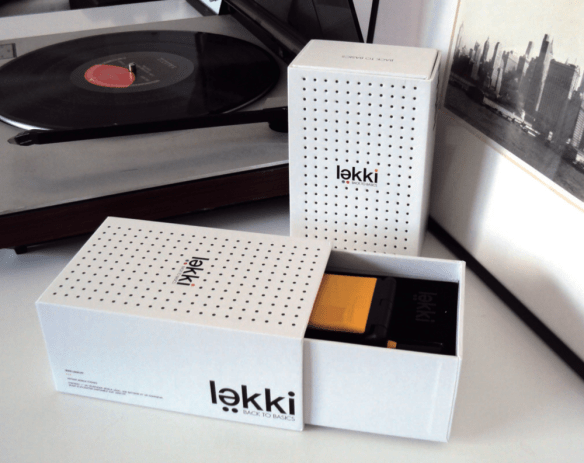
Lekki: Marketing old mobiles

Lëkki is a French company specializing in “revamped” mobile phones from the 1990s, reinvigorated with bright new paint jobs.

via Anyone Want A Retro Mobile? – retrothing.com

This is a brilliant marketing idea.

  1. Find scrapheap tech.
  2. Apply cosmetic improvements, slick packaging and lifestyle marketing.
  3. Sell to retro geeks, eco nerds, design hipsters and luddites.
  4. Profit.

Or: Reinvent refuse, recycle!

Continue reading

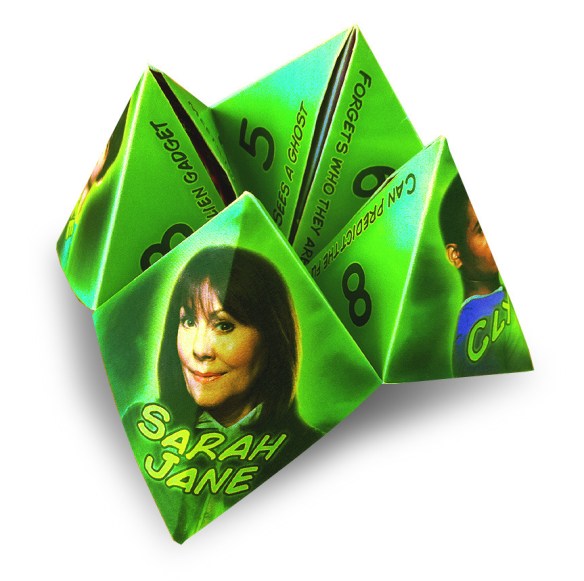
Some fun Sarah Jane Adventures stuff I designed!

Today was my final day at BBC Wales after handing in my notice last month. Though I still have absolutely no regrets, I have actually been enjoying more creative freedom over the last few weeks. If the previous two years had been similar, I may not have left…

Anyway, I thought I’d show and tell some of the things I’ve made. You can find all these in the SJA Fun and Games section.

Sarah Jane Adventures — Storyteller

Continue reading

Link

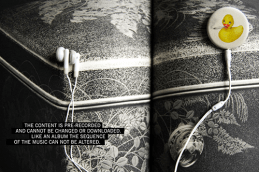
Playbutton is a wonderful idea that would make music collectable again and give artists back the ability to sell an album experience instead of just letting people cherry-pick individual tracks. Music piracy would still be pretty straightforward, but this idea taps into the desire to own and display something that represents what you love. They could be pretty cheap too and – so long as the audio quality is good – be a huge hit.

Would be nice to see a design with an iPod shuffle-like clip instead of a pin.

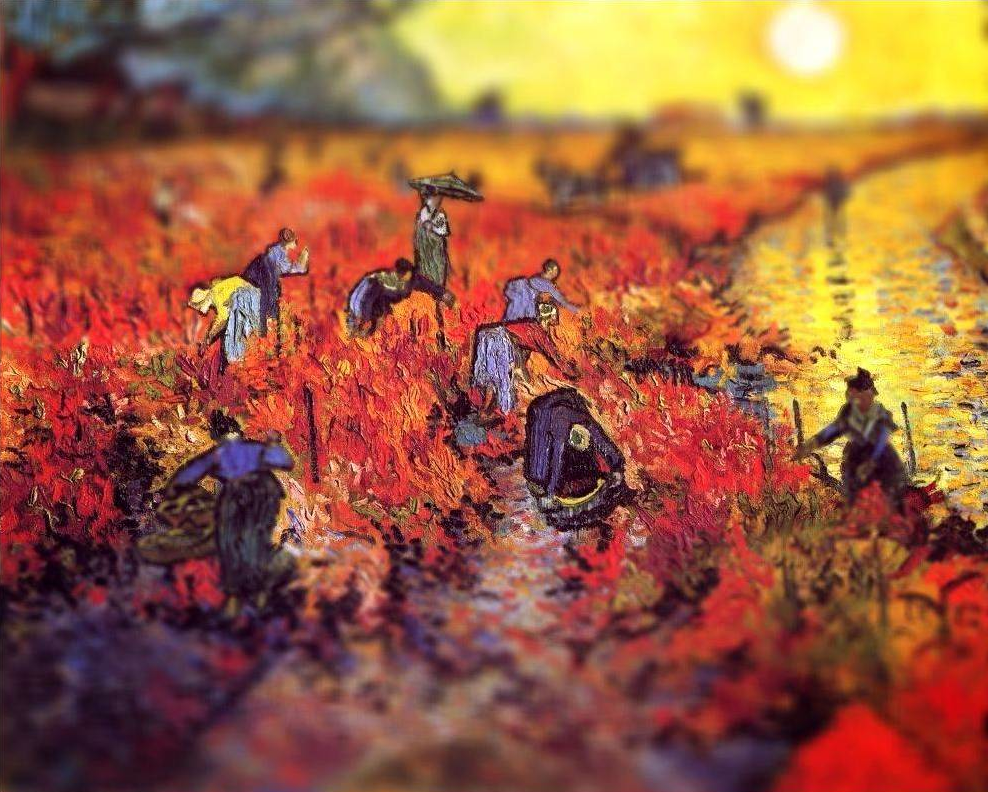
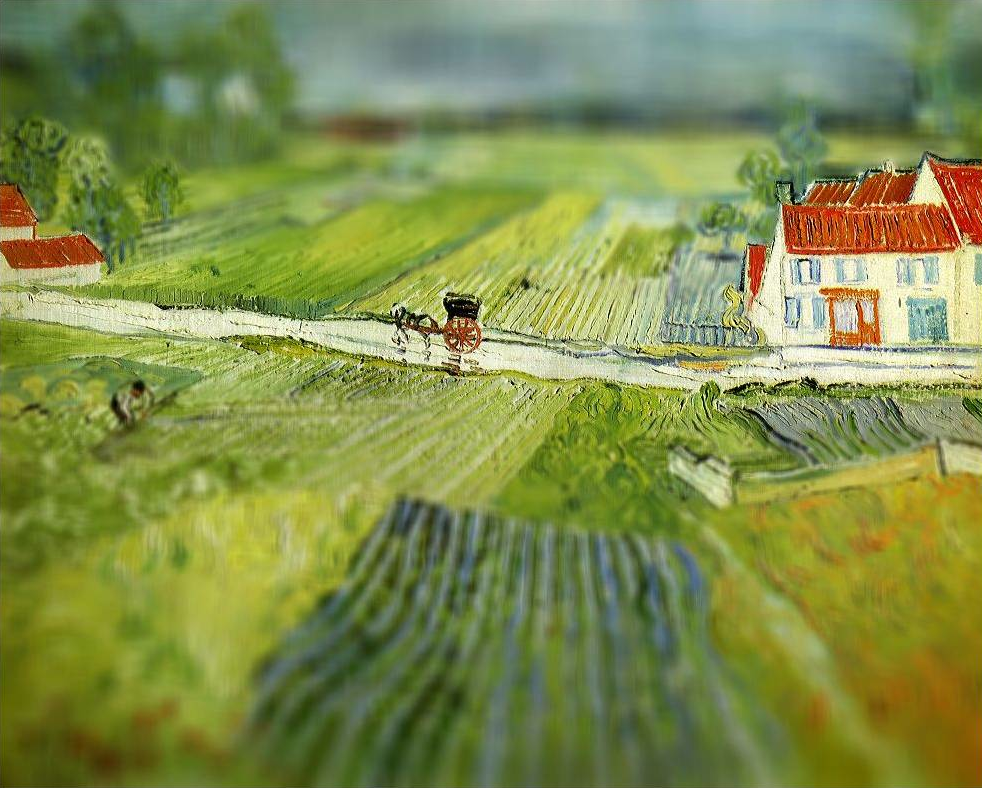
Van Gogh tilt-shifted

These Van Gogh tilt-shift images by Serena Malyon are amazing.


She’s done a great job with the technique too, really creating a sense of depth. Some of these almost look holographic. Too much tilt-shift effect work just involves blurring the top and bottom of an image, with no thought or artistry.

What the hell(vetica)?

What the hell(vetica)?

Helvetica parentheses comparison I was just knocking together a new title graphic for this blog, when I noticed that the parenthesis in Helvetica bold were asymmetrical. Perhaps I only noticed because I was working at a very large size, but the difference is significant and it really stood out.

Google didn’t give me any immediate answers, so I guess I’m going to have to do some proper research on this. Best guess: It looks better at a smaller size somehow.

Breadcrumb navigation in the URL bar

Breadcrumb navigation in the URL bar

I propose that the URL bar be modified to fulfill a significant purpose for the user other than just displaying long strings of characters mostly irrelevant to, and mostly ignored by, the user. A user should be aware of his location on the Internet at all times, and of any relevant information that he has requested or transmitted in getting there. The way the URL bar presents that information is completely inadequate.

via Making the URL Bar Useful Again: Where the breadcrumb should have been all along – uxmag.com

Some smart thinking here, and some excellent opposing views in the comments. I can see something very similar to this really working. It would need to be something the browser could figure out itself though, based on the logical arrangement of the site itself, and not by using the extra markup proposed here.

I can see how you could use this space for some neat shortcuts – like logging in through a drop down, or searching within specific sections of a site. Also, when you get a 404, the URL bar could present some navigation options to get you back on track, maybe even by displaying a drop down list of pages you may have been looking for.

101 Patterns for Influencing Behaviour Through Design

This slideshow requires JavaScript.

It’s been a long time coming, but a year after v.0.9, the new Design with Intent toolkit, DwI v.1.0, is ready. Officially titled Design with Intent: 101 Patterns for Influencing Behaviour Through Design, it’s in the form of 101 simple cards, each illustrating a particular ‘gambit‘ for influencing people’s interactions with products, services, environments, and each other, via the design of systems. They’re loosely grouped according to eight ‘lenses‘ bringing different disciplinary perspectives on behaviour change.

via Design with Intent

Download the lens cards here. They come in Architectural, Errorproofing, Interaction, Ludic, Perceptual, Cognitive, Machiavellian and Security flavours.

(found via Contentini)

Continue reading

Penguin design piracy by @PradiGClothing

This is the first example I’ve seen of someone ripping of my work and profiting from it (or at least selling it).

This slideshow requires JavaScript.

myspace.com/pradigclothing

I think he’s actually made some pretty nice tweaks to it: The sketched look works really well, he’s improved the beak a bit and the positioning of the feet. The plaster is a nice touch too. It’s still clearly mine though.

A cute, chubby cartoon penguin, by Foomandoonian

Cartoon penguin character

Continue reading

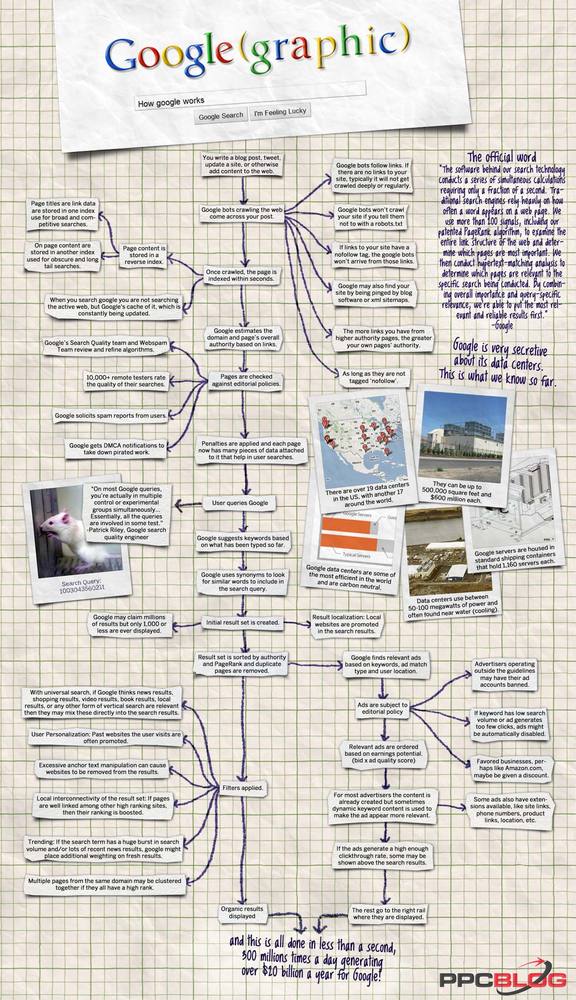
Sexy CSS3 infographics: I propose a revolution!

There have been two separate trends on the web in recent months and years:

  1. Infographics are everywhere, typically in the form of long JPEGs. These are often criticised as being poor examples of information design (or just poor examples of design), but they still seem popular.
  2. Creating snazzy effects with CSS3 and HTML5. Increasing support for dropshadows, rounded corners, gradients, real fonts, rotation and all other kinds of nice visual enhancements, has resulted in masses of experimental designs. It’s even possible to create many types of fantastic (and terrible) charts and graphs, as well as icons and illustrations.

So CSS3 and infographics are a natural fit. They could be interactive, animated, hyperlinked, semantic and searchable. Besides, making big dumb JPEGs for the web just seems like a retrograde step. Why not put that effort into making a really nice page?

(How the Internet works / “Infographic”)

Continue reading

My David Lanham portrait

My David Lanham portrait

(View on Flickr)

Dave is a designer at the Iconfactory and responsible for the ultimate Twitter icon, Ollie the Twitterrific bird, but he broke his foot while playing soccer over the Fourth of July. That means that the poor guy is relegated to staying off his feet at home. Rather than wallow in self-pity, he decided to use the opportunity to keep himself from going completely Rear Window and offer up his design skills to the Internet public.

FaceTime + $50 = Awesome Personalized Avatar – mashable.com

(See also: Wired, Cnet, TUAW, Gizmodo, and plenty of others.)

Sitting for a portrait over FaceTime was a really strange experience, but David is very friendly and made it a lot of fun. He did two sketches in about ten minutes, as well as taking some screeshots for reference and he later produces the final product in Illustrator. I’m thrilled with the result! (Trivia: Apparently I am the first portrait to have received a pattern background.)

David said he had been overwhelmed with requests as a result of the extensive coverage in the geek press, and was now booked up until December and after then he will decide whether to carry on with more, or not.

You can see many more portraits in his Flickr set, follow @dlanham on Twitter and absolutely check out his website. (He has loads of great wallpapers and icons!)

Post edited 2010.08.16: I received my portrait in the post today, with a bonus sticker. I’ve added a photograph to the gallery at the top of the post. It’s a lovely quality print. I think it looks great. :)

Continue reading

Toe Fluff

Steve Rack is an artist. He designed a character called Toe Fluff, which he thought would be great toy. In fact, he liked Toe Fluff so much that he decided to base an exhibition on it. To shake things up he asked his friends to customize Toe Fluff as part of the show. Well, since Steve’s ‘call for submissions’, things kind of snowballed! The project is now open to all artists. All you have to do is download the template and get creative!

The July 15th deadline for entries is fast approaching, but there’s still time to create something fun. I’ve just entered one myself:

Toe Fluff bogey monster by Foomandoonian

To the left is the template everyone has to work from. It’s really worth looking through the other entries on the Toe Fluff website as there is some amazing work. You could also follow @SteveRack on Twitter.

Continue reading

Link

I just found out that Apple have a page on their site dedicated to technical drawings of their ‘iProduct’ range, including the iPhone 4. It’s for accessory makers, but would also be handy for creating 3D models, if you like that kind of thing. Which I do.

There’s a goldmine of resources I didn’t realise they had here, including hardware icons and Mac logo, as well as tons of developer stuff, which is really the point of the site.

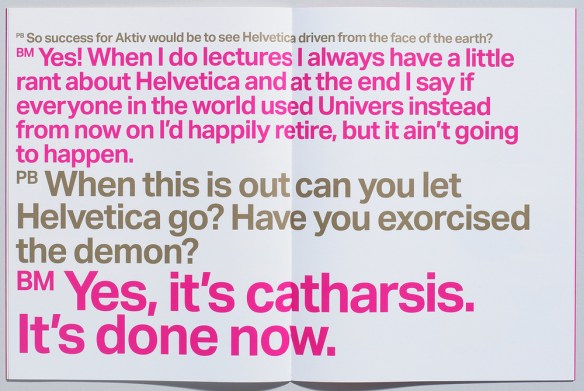
Dalton Maag are killing Helvetica and going open source

Aktiv Grotesk

I was lucky enough to see Bruno Maag talk at the Millenium Centre last year at a Cardiff Design Festival talk. He was interesting, entertaining, and although he was mainly talking about the challenges of designing non-western type, he still managed to get a little dig in about Helvetica. In this video he goes into more length on the subject of Helvetica’s general unworthiness:

As someone who is still newly interested in type design, it’s inspirational to hear someone talk so passionately on the differences between what are to the untrained eye, almost identical copies of each other. And with all this Helvetica bashing, presumably he’s been told more than once to ‘put up or shut up’. So he has.
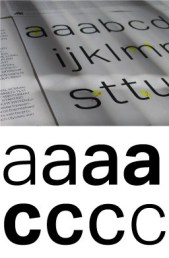
Dalton Maag, detail Aktiv Grotesk is a new font family designed to replace Helvetica entirely (for the sum of £222.77). Creative Review has a great interview with Bruno Maag with some interesting theories on how the inferior Swiss font became so popular anyway:

People just use Helvetica because they have heard of it, it’s on everyone’s computer and everyone else uses it.

The Ubuntu Font

The new Ubuntu typeface, by Dalton Maag

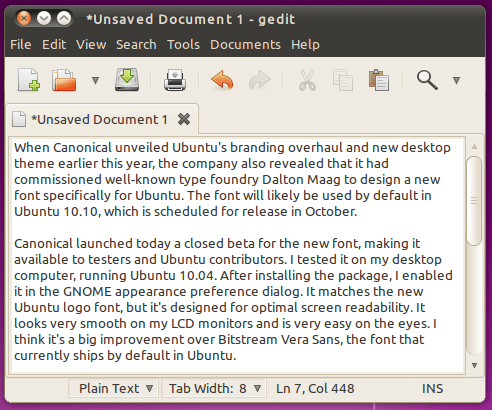
When Canonical unveiled Ubuntu’s branding overhaul and new desktop theme earlier this year, the company also revealed that it had commissioned well-known type foundry Dalton Maag to design a new font specifically for Ubuntu. The font will likely be used by default in Ubuntu 10.10, which is scheduled for release in October.

(via Ars Technica)

This is even better news though – a high quality open source typeface, built to suit the new Ubuntu branding also created by Dalton Maag. As you would expect from an open source project, the font is currently in beta and has just been opened for ‘bug testing’ on the Canonical Design blog.

I hope both parties here can learn some lessons. The open source movement really needs to learn the value of good visual design, and if Dalton Maag are serious about wiping Helvetica off the face of the planet, they could certainly make use of the FOSS model for distributing Aktiv Grotesk. I can’t think of a quicker way of getting it onto everyone’s computer.
Continue reading