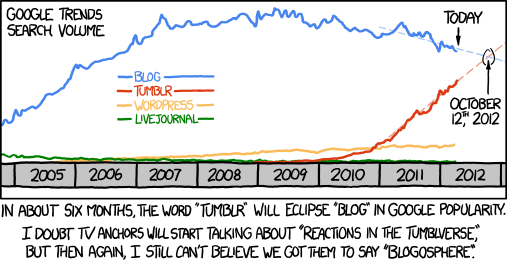
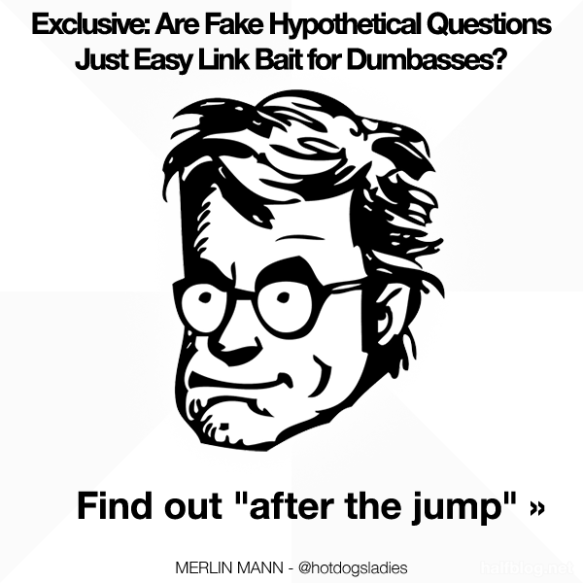
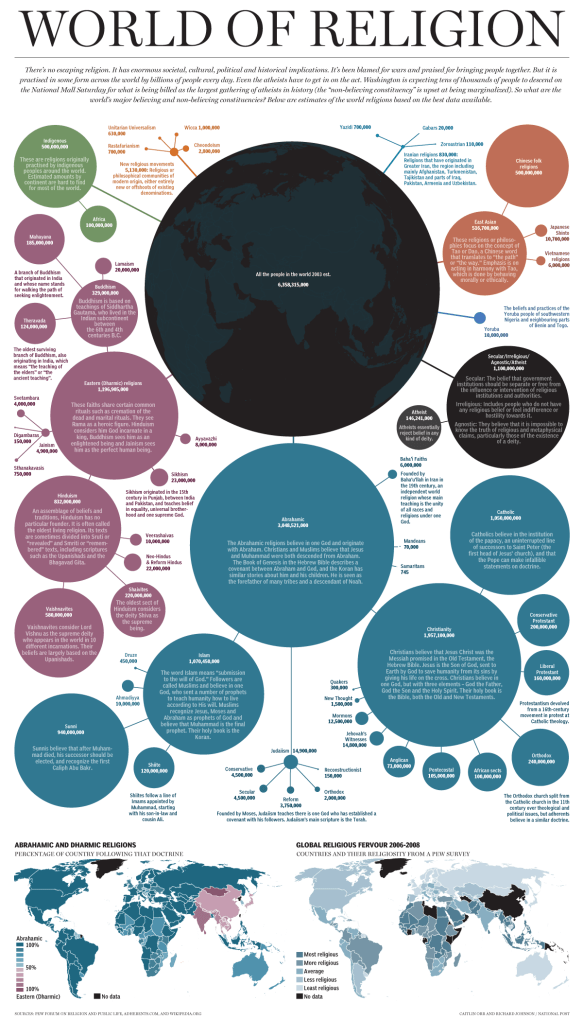
Link

The Listserve is an e-mail lottery where one person a day wins the chance to write to the growing list of subscribers (currently 12,000+).

So far there have only been seven emails, including poetry, fiction, a rant about software stability, preaching about the Diva Cup, and thoughts about life. Nothing earth-shatteringly brilliant or terrible so far, but I imagine examples of both will come to my inbox eventually.

Continue reading

QArt codes

By now everybody knows that it is possible to slap a logo in the middle of a QR code and — provided enough redundant data remains — the result will still be readable.

It seems it is also possible to engineer the encoded values to create a picture across the entire QR code. This technique not only produces a highly distinctive code image, it also produces completely legitimate codes.

Russ Cox calls these QArt codes, and has developed a web tool for producing them: QArt Coder. All the source code is hosted at code.google.com/p/rsc/source/browse/qr.

Link

GamesDev South Wales started up fairly recently and plan to meet every month. The next gathering is upstairs in O’Neill’s this April 25th at 7.30.

We’re trying to find anyone involved in the computer games industry in South Wales – whether AAA, indie, mobile, social, handheld, desktop or whatever – and get them together. Students and hobbyists are welcome, too!

They are also on Twitter and seem to organise via their Google Group.

I don’t work in game development, but I’d love to! If you’re interested in that, then you’ll probably be interested in this… Continue reading

“Valve has no formal management or hierarchy at all”

Quote

Michael Abrash on Valve:

Once Doom had been released, any of thousands of programmers and artists could create something similar (and many did), but none of those had anywhere near the same impact. Similarly, if you’re a programmer, you’re probably perfectly capable of writing Facebook or the Google search engine or Twitter or a browser, and you certainly could churn out Tetris or Angry Birds or Words with Friends or Farmville or any of hundreds of enormously successful programs. There’s little value in doing so, though, and that’s the point – in the Internet age, software has close to zero cost of replication and massive network effects, so there’s a positive feedback spiral that means that the first mover dominates.

Valve: How I Got Here, What It’s Like, and What I’m Doing – blogs.valvesoftware.com

“In terms of user experience, Facebook is like an NYPD police van crashing into an IKEA, forever”

Quote

Paul Ford on Facebook buying Instagram:

First, to understand this deal it’s important to understand Facebook. Unfortunately everything about Facebook defies logic. In terms of user experience (insider jargon: “UX”), Facebook is like an NYPD police van crashing into an IKEA, forever — a chaotic mess of products designed to burrow into every facet of your life. The company is also technologically weird. For example, much of the code that runs the site is written in a horrible computer language called PHP, which stands for nothing you care about. Millions of websites are built with PHP, because it works and it’s cheap to run, but PHP is a programming language like scrapple is a meat. Imagine eating two pounds of scrapple every day for the rest of your life — that’s what Facebook does, programming-wise. Which is just to say that Facebook has its own way of doing things that looks very suspect from the outside world — but man, does it work.

Facebook and Instagram: When Your Favorite App Sells Out – nymag.com

I need to learn to write this well!

#ScienceSunday

Let’s kick of a #ScienceSunday hashtag. I’ve been doing this on and off for a couple of months now, and it seems like a very positive way of promoting rationalism.

Here’s the premise:

Find an interesting science story from the previous week and post a link to it, using the #ScienceSunday hashtag. Ideally the story should have a human interest angle, or inspire a sense of wonder. The idea is to highlight the very real miracles that happen (or are discovered) every day in this world thanks to the hard work of scientists everywhere. Continue reading

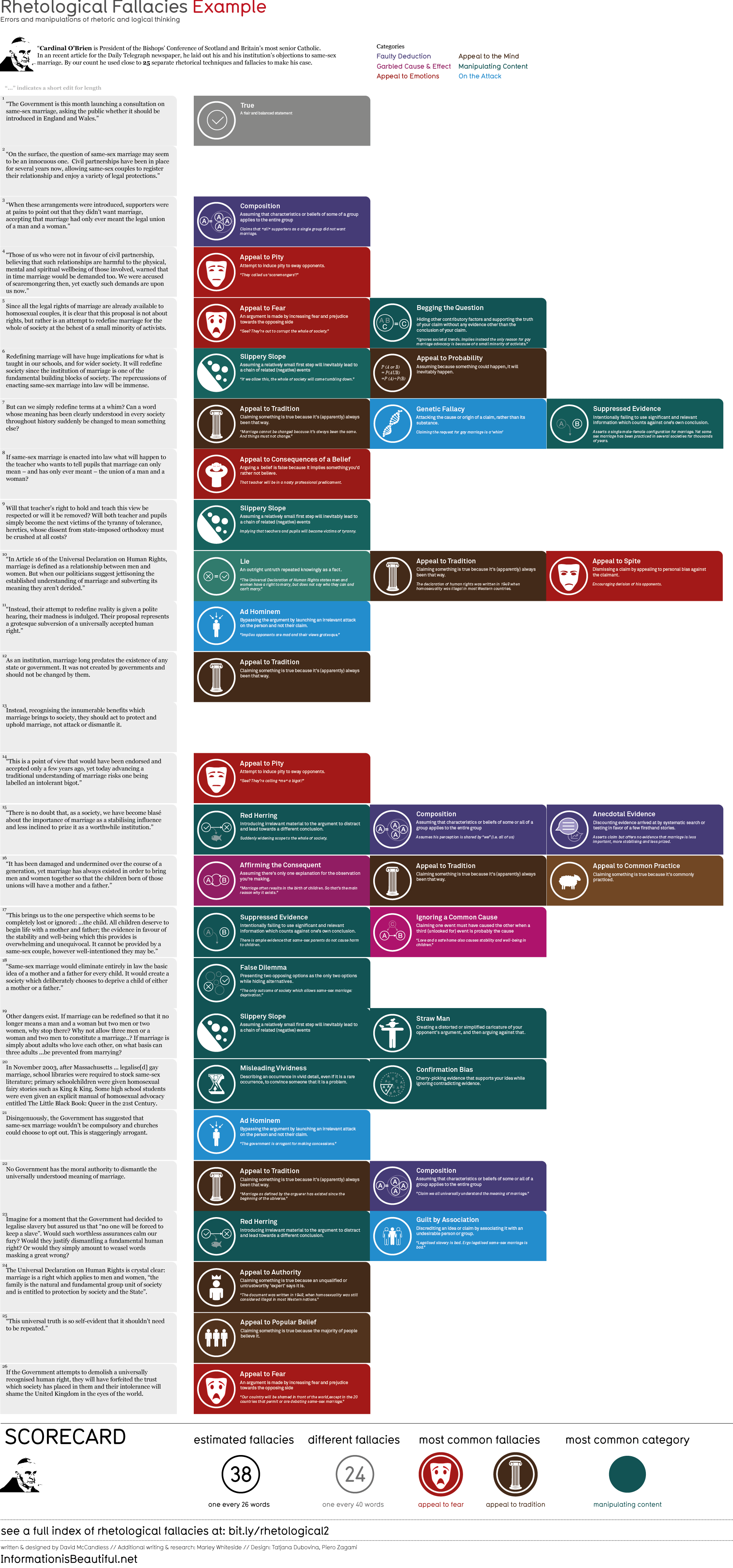
List of rhetological fallacies

Appeal to fear icon Here’s a great list for your debating toolkit. Some of the examples given could use refinement, but it’s still a handy reference.

I’ve pinched these definitions from the research doc for an infographic on Information is Beautiful. Even more interesting is the identification of these fallacies employed in Cardinal Keith O’Briens disgusting ‘tyranny of tolerance’ Telegraph article. Continue reading

Tweets of Note

Update 2012.03.23: Never mind.

Tweets of Note was going to be a weekly newsletter, created with TinyLetter, that compiled links and other stuff from my Twitterings. I promoted it a bit on Twitter (it got 12 subscribers — thanks!) and put together the first edition. When it was ready (666 words!), I hit send. And…

“Message was not sent because its content is flagged as spam”

Oh. They don’t give me an option to edit my email either. ‘That looks like spam’, yoink. If I hadn’t emailed myself a draft, I wouldn’t have any copy at all.

So the idea has been nixed by an algorithm. While I don’t consider the newsletter (linkletter?) to be spammy, I can’t think of any way to provide an email full of links without it looking spammy.

I’ve included the text from the newsletter below. Consider this the first and final edition. Sorry if you were hoping for more. Continue reading